The story
Kabul, exile, and the long work of standing again.
Every photograph below comes from Atta's own record, with the caption that was recorded with it. Nothing has been reconstructed or added.

Chronology
- Kabul
A childhood, and a city that still had its ordinary days.
Atta was born in Kabul. The photographs from those years show a city with hotels, football clubs, cinema visits, and international guests — the ordinary texture of a place that is now remembered mostly through war.
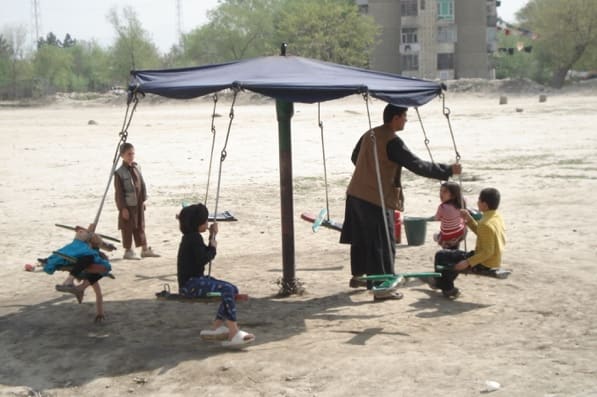
Children on a merry-go-round in Kabul — the image that became part of Atta's larger work: remembering what displacement takes, honoring what dignity protects, and helping the next generation stand. 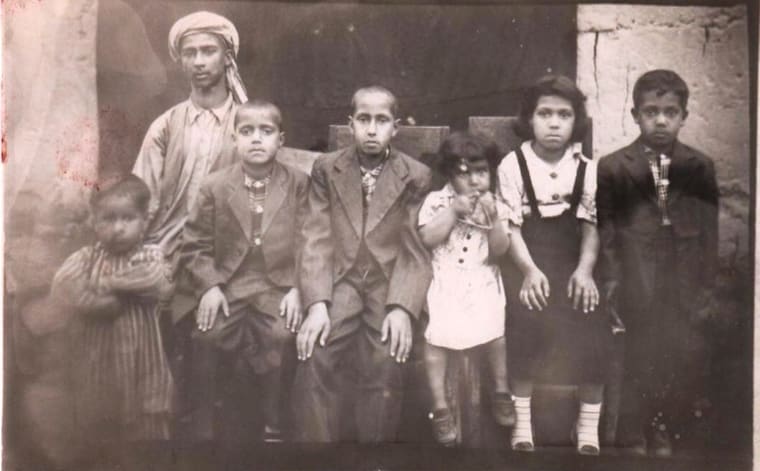
The final portrait before the crossing. Atta with his siblings beside the Oxus River, before he crossed it with his father, the Security Commander of Imam Saheb. 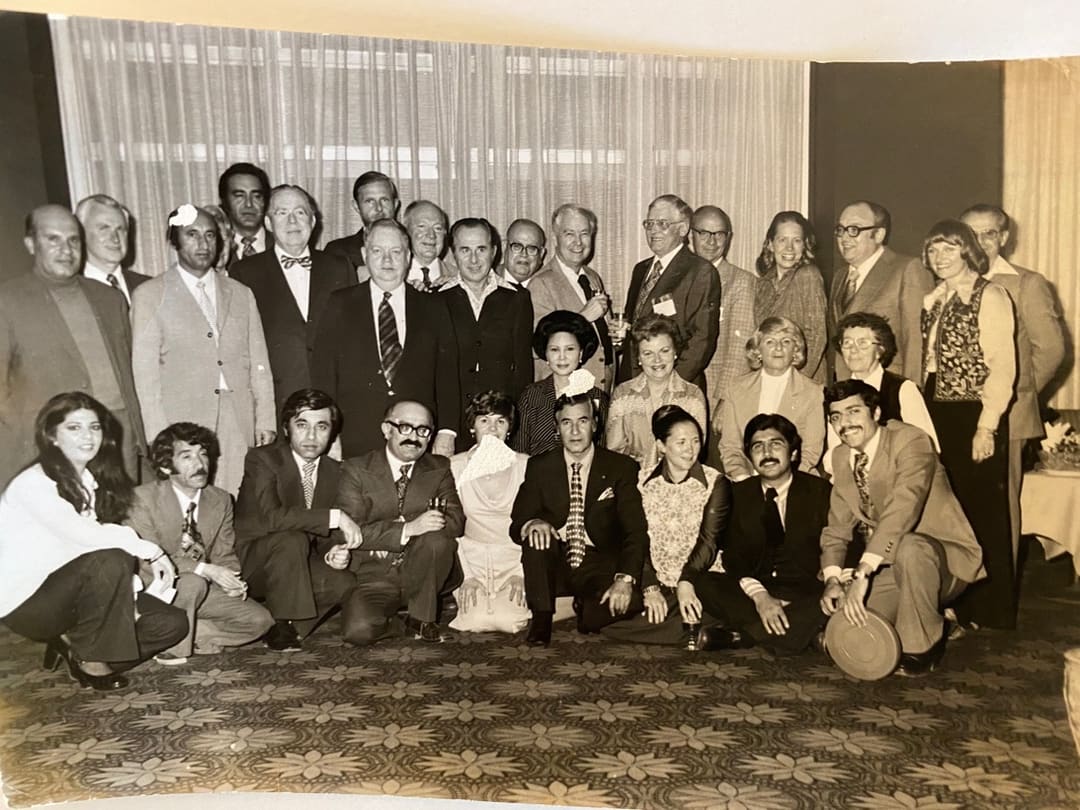
In 1978, Atta worked in PR and Sales at the Hotel Inter-Continental in Kabul, welcoming American tourists from the ARAMCO group in Saudi Arabia during a globally connected era. 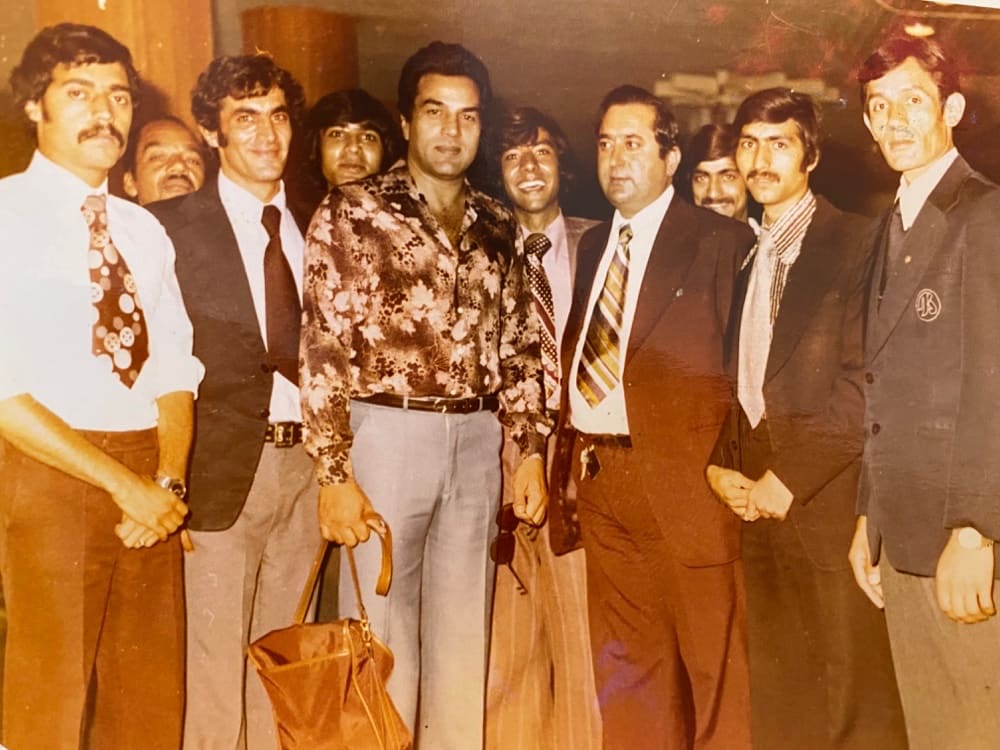
Welcoming Indian cinema icon Dharmendra reflected the deep admiration Afghans held for the arts, music, and storytelling as a bridge between cultures. 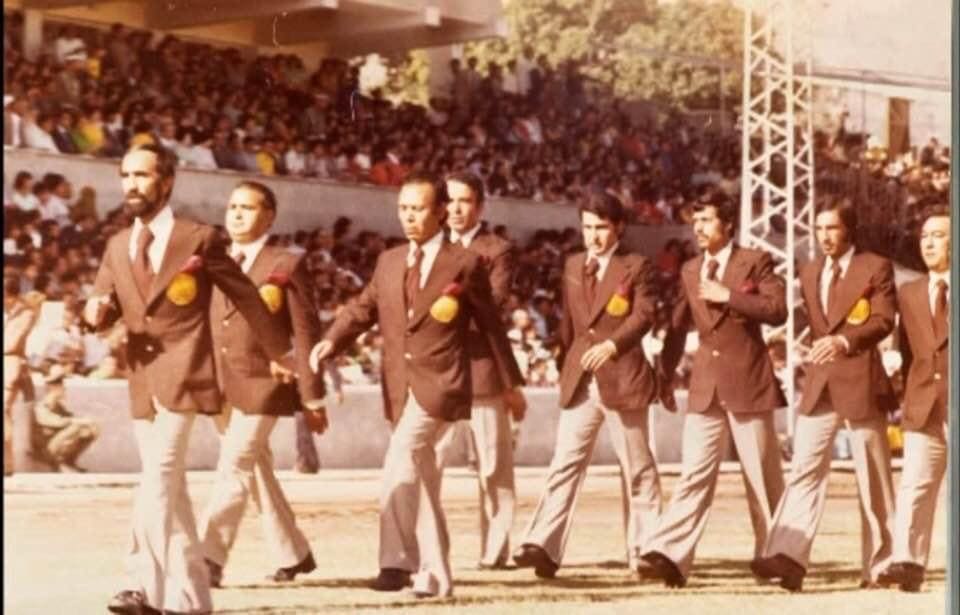
As Director of the Stoor Club, Atta marched alongside Kabul's football team directors during the 1978 Independence Day parade, when sports and community clubs carried national pride.
- Service and work
The Afghan Air Force, and a first working life.
He served in the Afghan Air Force and worked in public relations and sales at the Hotel Inter-Continental in Kabul.
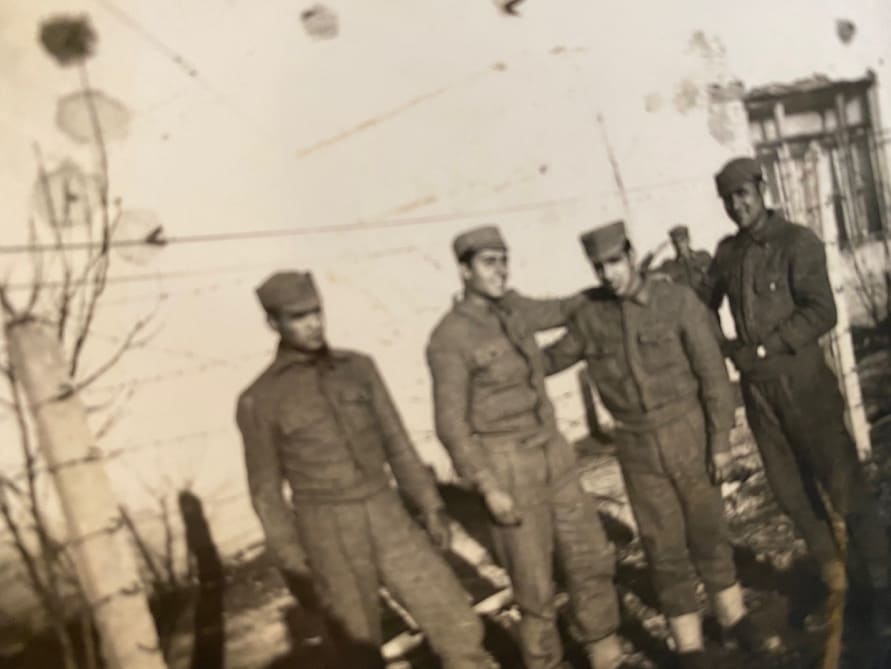
At 18, mandatory Air Force service shaped his understanding of accountability, discipline, and responsibility to protect and serve one's homeland.
- August 1980
Leaving.
Atta left Afghanistan in August 1980, after the political rupture that followed the 1978 coup and the Soviet invasion.
- Germany
Refugee.
He lived as a refugee in Germany, waiting on a future that could not yet be described.
- December 1981
Arrival, with basic English and $10.
Atta arrived in the United States in December 1981 with basic English and $10.
- 29 years in banking
From bank teller to Senior Vice President and Regional Manager.
He began his American working life as a bank teller. Over the next 29 years he built a career in banking and rose to Senior Vice President and Regional Manager. Beginning again, learning unfamiliar systems, earning trust, supporting a family, and accepting responsibility became part of the foundation for his writing and community work.
- Now
Writing, mentoring, and public conversation.
Atta writes and speaks for readers, universities, libraries, cultural institutions, immigrant-serving organizations, and communities seeking a serious conversation about memory, responsibility, and human judgment in a changing world.
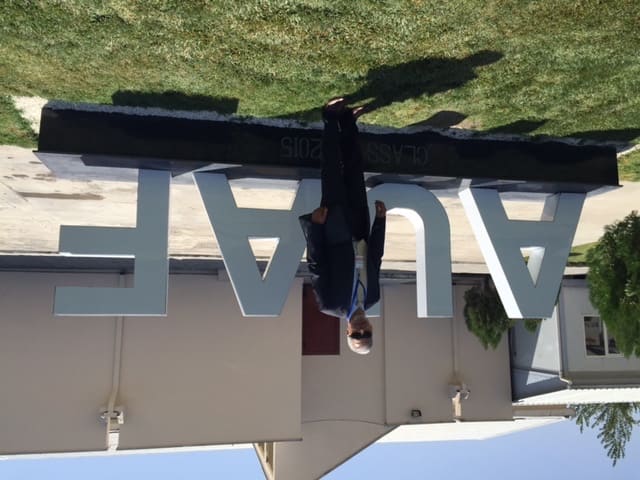
Returning to Kabul in 2015, Atta visited the American University of Afghanistan and saw a reminder that the nation's resilience remains rooted in knowledge, academic excellence, and self-sufficiency. 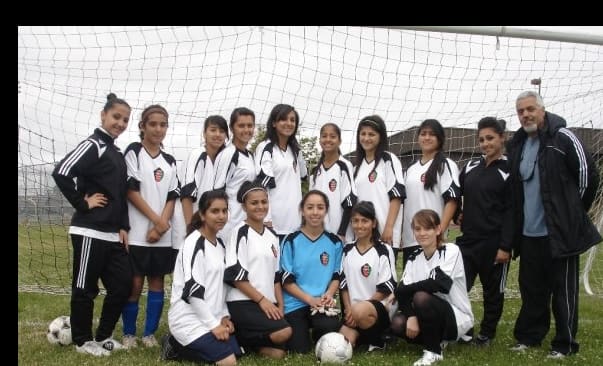
From 2010 to 2014, coaching a young women's soccer team in Tracy became another way to teach discipline, mutual respect, responsibility, and confidence.


These photographs come from Atta's personal and family record. Photographer credits and reuse permissions have not been recorded for every image, so none is offered for download and none is offered as a press-use asset. If a specific image matters to your story, write to atta@attamoves.com.
Full biography
In full.
Atta Arghandiwal is an Afghan American author, speaker, humanitarian, and mentor whose work is rooted in a life rebuilt across countries, languages, and institutions.
Born in Kabul, Atta served in the Afghan Air Force and worked in public relations and sales at the Hotel Inter-Continental in Kabul. He left Afghanistan in August 1980 after the political rupture that followed the 1978 coup and the Soviet invasion. After living as a refugee in Germany, he arrived in the United States in December 1981 with basic English and $10.
Atta began his American working life as a bank teller. Over the next 29 years, he built a career in banking and rose to Senior Vice President and Regional Manager. That experience—beginning again, learning unfamiliar systems, earning trust, supporting a family, and accepting responsibility—became part of the foundation for his writing and community work.
His books include Lost Decency: The Gilded Cages and the Search for Home and The Self-Sufficient Immigrant in the Age of AI: A Field Manual for the Work of Standing Again, co-authored with Sohrab Rasouli. Across memoir, public conversation, and practical guidance, Atta examines Afghanistan, exile, moral memory, work, family stability, self-sufficiency, and the dignity of rebuilding a life.
Today, Atta writes and speaks for readers, universities, libraries, cultural institutions, immigrant-serving organizations, and communities seeking a serious conversation about memory, responsibility, and human judgment in a changing world.
Stay connected
Stay connected
Receive occasional updates when a new book, public conversation, speaking appearance, or AI Lab opportunity is ready to share.
Subscription, confirmation, preferences, and unsubscribe are all handled on Substack. Clicking below opens the AttaMoves page there — nothing is entered or submitted from this site.
Subscribe on Substack(opens in a new tab)